912760225

912760225

Where does a drawing begin and where does it end? Is it a line on paper or a way of thinking? A gesture of the body? A conversation? A way of being together?

Nadia Barkate and Fátima Moreno’s exhibition The List invites us to approach drawing as a living, undisciplined and open territory. A place where images do not always follow a predetermined plan, where bodies are transformed, stories intermingle and forms seem to emerge simultaneously from memory, imagination and desire.

This tour and workshop invites groups to explore the exhibition through observation, conversation and collective experimentation. We will look closely at the works, asking ourselves not only what they tell us, but also what lies beyond what they appear to be saying. We will explore drawing as gesture and thought in motion, as writing, imprint, play and a possibility for encounter.
Together, we will develop practices that allow us to listen to the unexpected, activate the imagination and discover what happens when drawing ceases to be merely a form of representation and becomes a shared action.

Because sometimes a drawing is not something we make, but something that happens.

We invited the artist Eva Garrido to help us develop this project. Eva is one of those artists capable of opening up spaces where imagination, listening and collective experience become tools for looking through a different lens. Her work moves between drawing, performance, writing and the body, exploring processes of collaborative creation in which what matters is not only the outcome, but everything that happens as we create together.

We think this workshop will be a wonderful adventure for those who visit us, and also for ourselves. A space to imagine together, allow ourselves to be surprised and continue creating.

We look forward to seeing you.

Activity type
Dates
FROM OCTOBER TO DECEMBER
Entrance

This tour and workshop invites groups to explore the exhibition through observation, conversation and collective experimentation. We will look closely at the works, asking ourselves not only what they tell us, but also what lies beyond what they appear to be saying. We will explore drawing as gesture and thought in motion, as writing, imprint, play and a possibility for encounter.

Subtitle
VISIT OF NADIA BARKATE AND FÁTIMA MORENO’S EXHIBITION “THE LIST”
Categoría cabecera
secundaria 2026-27
TOUR AND WORKSHOP FOR SECONDARY AND UPPER SECONDARY SCHOOL GROUPS
More information and contact
Media footer

Photo: María Eugenia Serrano

Is it a cycle?
Disabled
Duration
WEDNESDAY 11.00 am to 1.30 pm

At the start of every academic year, Museo CA2M opens the new season with its Performance and Education Workshop, a space for learning, exchange and research aimed at teachers, artists, mediators, cultural workers and anyone interested in the relationships between education, culture, territory and artistic practice.

The workshop marks the beginning of a conversation that we hope will accompany us throughout the year. A space to share questions, try out methodologies and begin to identify some of the concerns that will run through our programmes and projects. A time for collective reflection on how we inhabit educational and cultural spaces and how we relate to the social, institutional, material and ecological environments that sustain them.

This workshop invites us to collectively explore the poetics and politics of negotiating atmospheric and climate-related fears, through the analysis of administrative and archival texts and the ways they are preserved and catalogued. We will explore how we name, classify and manage what we perceive as threats and sources of uncertainty: heat, floods, drought and hailstorms. Through exercises in reading, rewriting and giving voice to documents from a more or less distant—or more or less recent—past, we will explore the poetics of the languages of bureaucracy, religion, magic and technology, delving into their inner workings and navigating our own contradictions.

Led by Mariona Moncunill, artist, educator and researcher. Her artistic practice typically responds to the specific context in which it takes place, exploring how symbolic value is created and the epistemological sediments that shape contemporary social and cultural conventions. In this way, she has explored different fields of knowledge, including botany, museography, library science and the measurement of time and length. In recent years, she has focused much of her work on exploring the social construction of nature through specific case studies, whether institutions, social practices or particular territories.


Dates
22–25 SEPTEMBER
Entrance

We are kicking off the academic year with the Performance and Education Workshop, a space for training, exchange and research aimed at teachers, artists, cultural mediators and cultural workers, as well as anyone interested in the relationships between education, culture, the local area and artistic practice.

Subtitle
PERFORMANCE AND EDUCATION WORKSHOP
Categoría cabecera
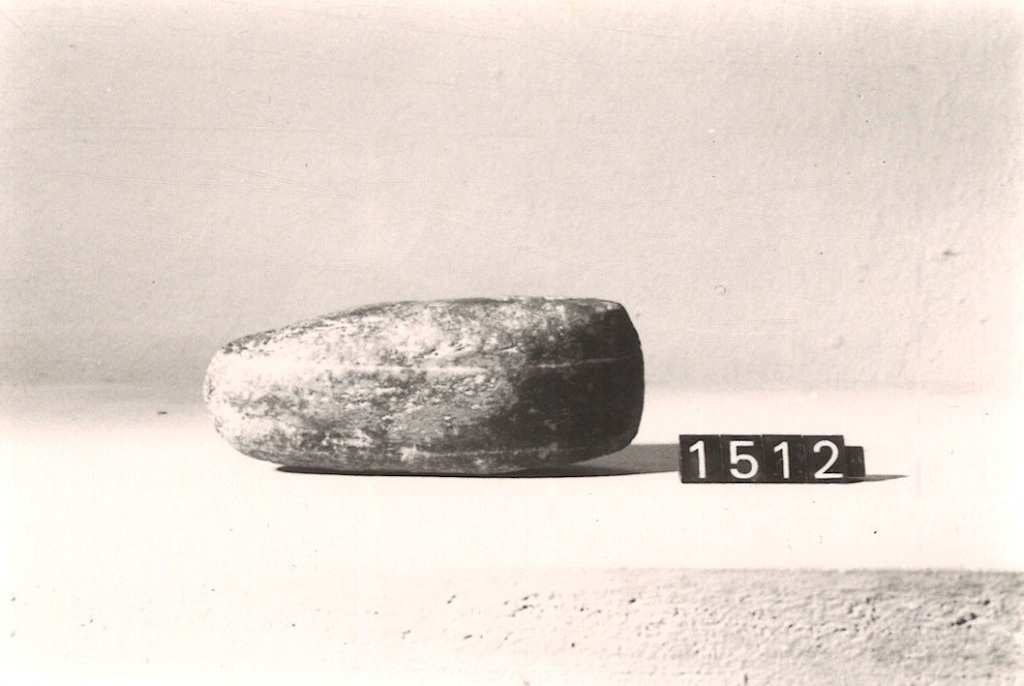
piedra rayo
IN EXCHANGE FOR BREEZES AND DEW
More information and contact
Media footer

Image: Thunderstone from the Museu de la Garrotxa.

Is it a cycle?
Disabled
Duration
17:00 - 20:00

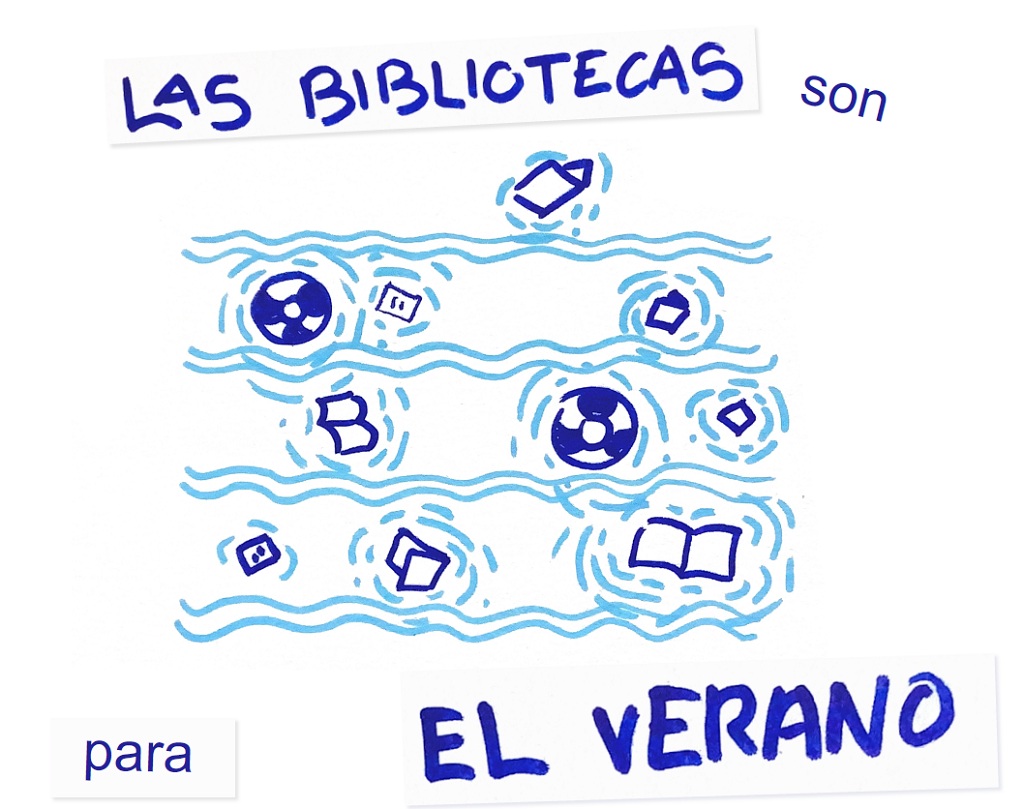
Reading books by the pool, a special summer edition, making books that can survive a day at the swimming pool, reading underwater, wearing diving goggles to read, a book for applying sun cream, a sudoku puzzle book, a book for fanning yourself, a book for topping up your tan, a book for looking intriguingly intellectual on the lawn, a book for shielding yourself from the sun...

What is a book? What is a library? What does it mean to publish? And does any of this have anything to do with summer? We think it does.

For four days, we will transform the museum and its surroundings into a laboratory for editorial creation and bibliographic reflection. We will explore the practice of making books, reflect on the relationship between books and summer, and collectively publish and create a small library to see us through the warmer months.

As we do every summer, we invite you to join this workshop led by Conchi Tabares and Iria Pero, two creators whose work centres on self-publishing and the fanzine universe.

Conchi Tabares (2000) is an artist, researcher and designer. Her work focuses primarily on reading as a hybrid concept that extends beyond literature into other formats, and on the ways literary forms are transformed when opened up to alternative modes of reading. Language, chance and attentiveness to everyday phenomena are among the elements that currently shape her practice. Since 2022, she has co-coordinated Pichi Fest, a self-managed transfeminist fanzine festival, together with fellow zinesters, and many of her zines can be found on her Instagram profile, @_conchipcion. She studied Fine Arts and Comprehensive Design and Image Management at Rey Juan Carlos University, and is currently completing an MA in Art Research and Creation at Complutense University of Madrid. 

Iria Pero (2001) is an arts mediator and visual artist. Iria's principal interest lies in working with discarded materials and exploring the notions of waste, residue and noise in contemporary culture through a variety of published formats. A graduate in Fine Arts from Complutense University of Madrid, Iria is currently studying for an MA in Contemporary Art History and Visual Culture. Iria publishes fanzines under the name Peromedapereza. Iria also regularly runs self-publishing workshops and keeps a small fanzine library inside a dollhouse. Currently, Iria coordinates Index(a)1.1, an amateur fanzine cataloguing group at the Marcablanca community library.


Activity type
Dates
29 JUNE - 2 JULY
Entrance

As we do every summer, we invite you to join this workshop led by Conchi Tabares and Iria Pero, two creators whose work centres on self-publishing and the fanzine universe.

Subtitle
SUMMER WORKSHOP FOR YOUNG PEOPLE
Categoría cabecera
taller verano jovenes
LIBRARIES ARE FOR THE SUMMER
More information and contact
Media footer

Image: Conchi Tabares and Iria Pero.

Is it a cycle?
Disabled
Duration
17:00 - 20:00

Directed by: Carmen Aldama

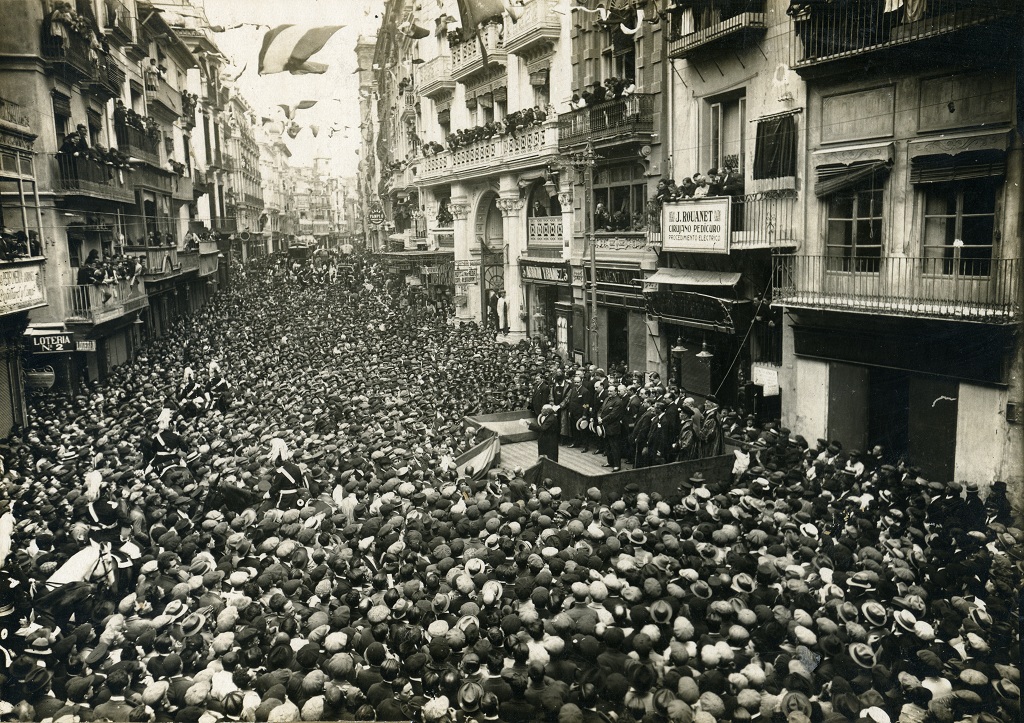
“A new terrain where everyone is welcome, where education dresses up in its finery and science is fun. Every night the Universidad Popular will become a type of free and free-of-charge theatre of education,” wrote Blasco Ibáñez in the newspaper El Pueblo in January 1903. Blasco Ibañez founded the first people’s university in Valencia, which drew far greater numbers of attendees than the students enrolled in the official university. Now, in the present, we fantasise with the idea that the attendees of the “theatre of education” challenged the authority of the well-meaning teachers, who were devoured by popular wisdom. The photograph would have been taken moments before the storming of the rostrum. 

Following model of adult education centres, since 2008 the Museo CA2M has been running the People’s University programme as a space to reflect on the nature of art today. Over the years, the lectures given by art history and philosophy academics have gradually incorporated other forms of learning based on artistic practice, and artists have been invited to share their working methods and processes. The People’s University attendees have always participated vigorously in the discussions and played an active role in the sessions with the artists, to the extent that they have ultimately become the protagonists of the lecture series. For that reason, the research topic for the 2026 edition of the People’s University is the actual learning group that emerges and flourishes around the programme. A group that is always varied, genuine and fluctuating. 

Over the course of five sessions, we’ll experiment with insubordination, anonymity, collective authorship, resistance, radical confidence, power, cannibalism and other heroic fantasies with which to unleash popular energy. 

PROGRAMME

  • Wednesday 22 April. THE ARTIST IS PRESENT. Javier Tirado Ocón 
  • Wednesday 29 April. SEASON FINALE. Cuqui Jerez
  • Wednesday 6 May. DEVOUR ME AGAIN. Aitana Cordero
  • Wednesday 13 May. TEACHING THOSE WHO DON'T KNOW. Carmen Aldama
  • Wednesday 20 May. GRAND FINALE. Ben Attia and María Moncada
Activity type
Dates
FROM 22 APRIL TO 20 MAY
Target audience
Registration
-
Acceso notas adicionales

Limited capacity

Entrance

Over the course of five sessions, we’ll experiment with insubordination, anonymity, collective authorship, resistance, radical confidence, power, cannibalism and other heroic fantasies with which to unleash popular energy. 

Subtitle
PEOPLE’S UNIVERSITY
Categoría cabecera
UP 2026
“THEN THE ATTENDEES CLIMBED ONTO THE ROSTRUM AND DEVOURED THE SPEAKERS”
More information and contact
Media footer

Blasco Ibáñez on Calle de San Vicente upon his arrival in Valencia. Ajuntament de València. Imagen: Arxiu Històric.

Is it a cycle?
Disabled
Duration
Afternoon session (to be confirmed)

At the start of each school year, we embark on a new artist residency project. This year, we will be joined by artist Lidia Toga, who will be working with the school’s two fourth-grade classes.

Every day, when break time ends, the playground at CEIP Federico García Lorca falls completely still. The children return to their classrooms and, for a brief moment, the playground is suspended in silence. That is when they begin to appear, one by one. They have been watching from the roof of the primary school building for some time, still but alert, as though waiting for a signal known only to them. Once the bell falls silent, they make their way down to the ground with purposeful steps, following the same choreography each day.

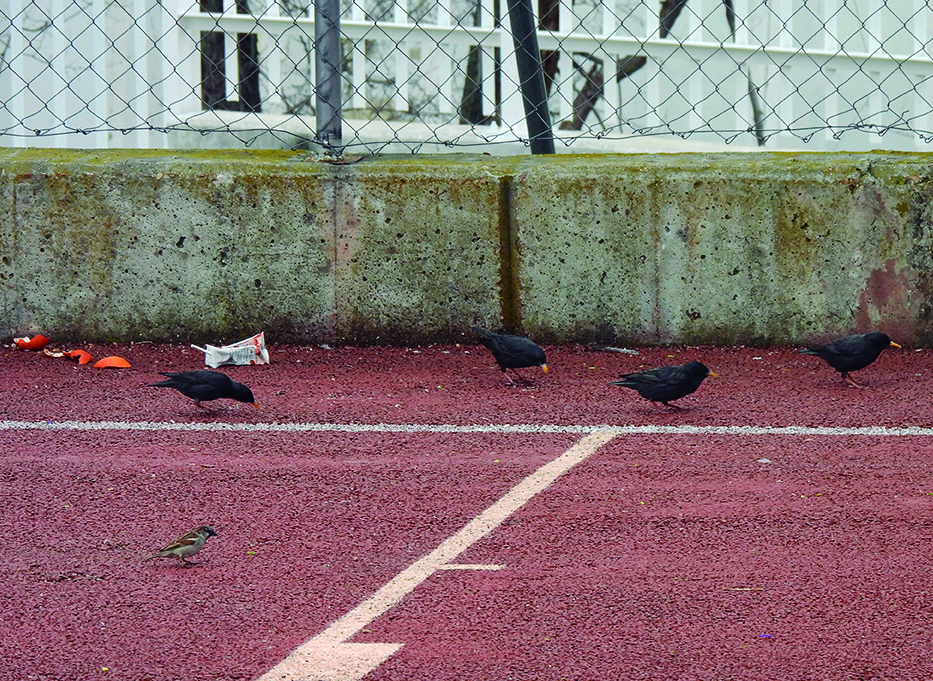
They approach the bins and carefully pull out biscuit packets, scraps of pastries and milkshake cartons. What the human creatures carefully placed in the bins during break time ends up scattered across the ground and turned into food. The school’s birds (magpies, wagtails, monk parakeets, pigeons, sparrows and starlings) feast while the children do multiplication and dictation exercises in their classrooms. This is how the birds find food in winter: by following the traces we leave behind.

This simple scene—a small, almost unnoticed gesture—is the starting point for the project we will share with Lidia Toga throughout the winter, spring, summer and autumn of 2026. Lidia walks slowly, letting her gaze linger where almost no one else thinks to look. She watches the birds patiently and draws them with the same care: every line is a way of listening to them, of learning how they inhabit the world. We want to take this everyday coexistence between people and birds—so close to us, yet so easily overlooked—as our starting point, and learn to observe it with greater responsibility and care.

The playground is a territory where many forms of life coexist, although the pace of the school day often leaves us little time to stop and notice them. We want to open up this space: to recognise those who inhabit it and help the children understand how our actions affect the cycles and needs of those who fly, walk or hide among the branches.

Lidia Toga (Madrid, 1980) is an artist specialising in illustration, painting and mural art, with a career spanning almost two decades. Since 2018, she has been researching biodiversity and the relationship between rivers and cities, building an extensive archive around the Manzanares and Río de Oro in Melilla. Her work has resulted in exhibitions, publications, works on paper and community projects, including a large-scale mural in Melilla. Since 2010, she has led workshops for children at venues including La Casa Encendida and schools, as well as in her own studio by the river. Her practice centres on interspecies coexistence and rethinking the place of humans within nature. She advocates careful observation and a reciprocal relationship with ecosystems and their inhabitants.

Entrance

As we do every academic year, we are launching a new artist-in-residence programme. This year we will be working with the artist Lidia Toga, who will be working with the two Year 4 classes.

Subttitle
Artist residency by Lidia Toga at Federico García Lorca infant and primary school (CEIP)
Header category
residencia FGLorca
THE CLASS FLEW BY
Media footer

Photo: Lidia Toga.

Type Thinking / Community
Topics Educational Community
Hide main image
Disabled
Topics
Is it a cycle?
Disabled

Have you ever stopped to think about how the bonds between people are manifested? Friendship, family and romantic relationships, needs and plans, desire... The emotional fabric is packed with feelings and concepts that become invisible lines leading and connecting us, constantly tightening and slackening, sometimes without us even noticing.

On this occasion we propose to enrich the research project Un juego de cuerdas y sus 12 leyes [A String Game and Its 12 Laws] with a collective game dynamic in which we’ll explore these and other bonds in a palpable, sensory way through knots and links.

We invite you to get tangled up with us and let go of the rope with the artist and researcher Inés Sorlat, who will use her practice to move the strings. Thus begins Intermittences, with the focus on what is there but might not always be there, on what is tightened but might also slacken.

Inés Sorlat (Madrid, 1993) is a multidisciplinary artist and Audiovisual Communication graduate of the Carlos III University in Madrid. Her work combines audiovisual narrative, installation and sewing, investigating the bonds between people and the invisible laws that uphold them. This exploration led to Un Juego de Cuerdas y sus 12 leyes, a series of twelve conceptual installations that reflect on relationships as a single interconnected system.

In 2025 she presented the first two pieces, Ley 8 and Ley 11, and she is currently developing the following works in the series, visually representing the system and its strings, and, one by one, reinterpreting their laws.

Donde Continúan las Cosas is a group formed by past participants of our programmes for young people, united by their interest in culture, art and community work. The project aims to redefine relationships with the museum, fostering the self-management of the group members and involving them in the definition of programmes for young people.

Activity type
Dates
UNTIL JUNE
Target audience
Acceso notas adicionales

CAPACITY: 15 PEOPLE.

Entrance

Donde Continúan las Cosas is a group formed by past participants of our programmes for young people, united by their interest in culture, art and community work.

Subtitle
OPEN WORKSHOP FOR YOUNG PEOPLE AGED 16 AND OVER
Categoría cabecera
dc las cosas
DONDE CONTINÚAN LAS COSAS: INTERMITTENCES
More information and contact
Media footer

Picture: Donde continúan las cosas

Is it a cycle?
Disabled
Duration
17:00 - 20:00

FUGA is a space where we continue to promote autonomy, exploration and collective undertaking. We don't impose anything here and there are no closed hierarchies: the group members design the programme together.

After a first year of sharing, experimenting and learning—a year of discovering how difficult but how rewarding it is to create a genuinely collective space—the group embarks on this new phase with a clear aim: to create their own podcast.

The podcast will be a tool for engaging with the museum’s programmes and exhibitions, but also for looking beyond them. It will enable us to map the contemporary art scene, interview artists and curators, visit spaces, chat with cultural agents and make our own voice heard in what is happening right now.

We want FUGA to be a place where we can continue adding to a collective archive, where we can explore current initiatives together, formulate theories, ask questions and continue to engage with the museum from the perspective of our own interests and languages.

We’ll meet twice a week during the year in a friendly, horizontal and experimental setting to design the podcast, record episodes, explore topics, invite people and create a project that is truly ours.

Activity type
Dates
SATURDAYS
Target audience
Entrance

After a first year of sharing, experimenting and learning—a year of discovering how difficult but how rewarding it is to create a genuinely collective space—the group embarks on this new phase with a clear aim: to create their own podcast.

Subtitle
GROUP OF YOUNG PEOPLE AGED 16 TO 23
Events
Categoría cabecera
Fuga 2026
FUGA 2026
More information and contact
Media footer

Photo: Sue Ponce.

Is it a cycle?
Disabled
Duration
ONCE A MONTH

The shelter, retreating to the shelter 
the cave, the cave
the sound box between the shelter walls
the acoustics of the drawings
there where it sounds
we’ve been here for eight years and never sung a full song 

Beyond the end we have never sung
of those lost to the river
from the river to sea
cocorococo

Beyond the urgency-attention
uncertain-subtle-unfinished-unspeakable-invisible
attention intention
being in the phase, in the 3rd phase, not of autonomy but of self-management 
corococo coco cocorococuuuuuuuu

Beyond a new gentleness
that must be invented 
becoming a body of affectations
a beast of a thousand heads with a thousand tongues
reemerges in the shelter of the cave


An amateur choir is a creative project in which any kind of voice is welcome to participate. Every other Thursday, we do our own research sessions as well as sessions with artists who work with voice and listening.

Session dates of An Amateur Choir 2026

15 January / 29 January / 12 February / 26 February / 12 March / 26 March / 9 April / 23 April / 7 May / 21 May / 4 June / 18 June / 1 October / 15 October / 29 October / 5 November / 19 November / 3 December / 17 December.

Those who have come in the past:

An Amateur Choir has featured Sonia Megías, Itziar Okariz, Jaume Ferrete, María Salgado and Fran MM Cabeza de Vaca, Rocío Márquez, Alma Söderberg, Ainara Lagardon, Jhana Beat, Juan G. Araque (Juan Dresán) and Lolita Versache, Luz Prado, Los Torreznos, Makiko Kitago, Julián Mayorga, Agnès Pe, Paloma Carrasco, Anto Rodríguez, Elisa C. Martín, Elena Murcia Pinto with Marina Peralta Murcia, Inma Marín with Jon Cañal and Tania Arias Winogradow with Milo-Andrey Ulises, Rolando San Martín, Amalia Fernández, Elena Córdoba, Raquel G. Ibáñez, Alex Reynolds, Black Tulip, tacoderaya, Mónica Valenciano, Ruth Abellán and Arturo Moya, Ojo Último, Monserrat Palacios and Fátima Miranda, Sole Parody, Enrico Dau Yang Wey, Coco Moya, Veza Fernández, Patricia Leguina, Jesús Burrola, Noela Covelo, Stina Force, Los Cramps (Nilo+Francisco), Ángela Segovia, Eddi Circa + raxet1, E1000, El Gato with Jotas, Nilo Gallego, Tavi Gallart, Hijas de Yocasta, Amaia Bono and Damián Montesdeoca, Piccola, Bea Narcoleptica and Elan d’Orphium.

Activity type
Dates
FROM JANUARY TO DECEMBER
Target audience
Entrance

An amateur choir is a creative project in which any type of voice is welcome to participate. Every other Thursday, we hold our own research sessions as well as sessions with artists who work with voice and listening.

Subtitle
IN THE SHELTER OF THE CAVE, THE CAVE...
Categoría cabecera
coro 2026
AN AMATEUR CHOIR 2026
More information and contact
Is it a cycle?
Disabled
Duration
17:00 - 20:00

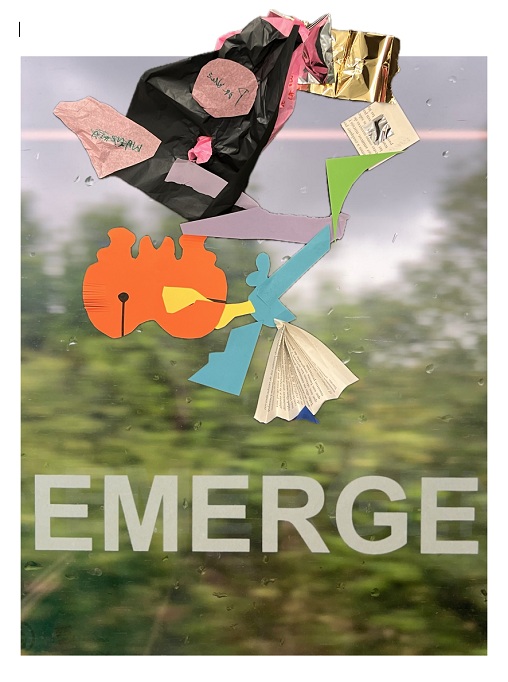
“This year the biological cycle of the group begins with the chrysalis. Each workshop will focus on how we are developing from inside out or vice versa, exploring our resources as we discover them, inhabiting new places and getting ready to make—or already taking—the preliminary leap to our metamorphosis, our flight.

Phase 1: Observation
Phase 2: Experimentation and play
Phase 3: Creation
Phase 4: Breaking everything

Come and join us as we wait, or not, our way.

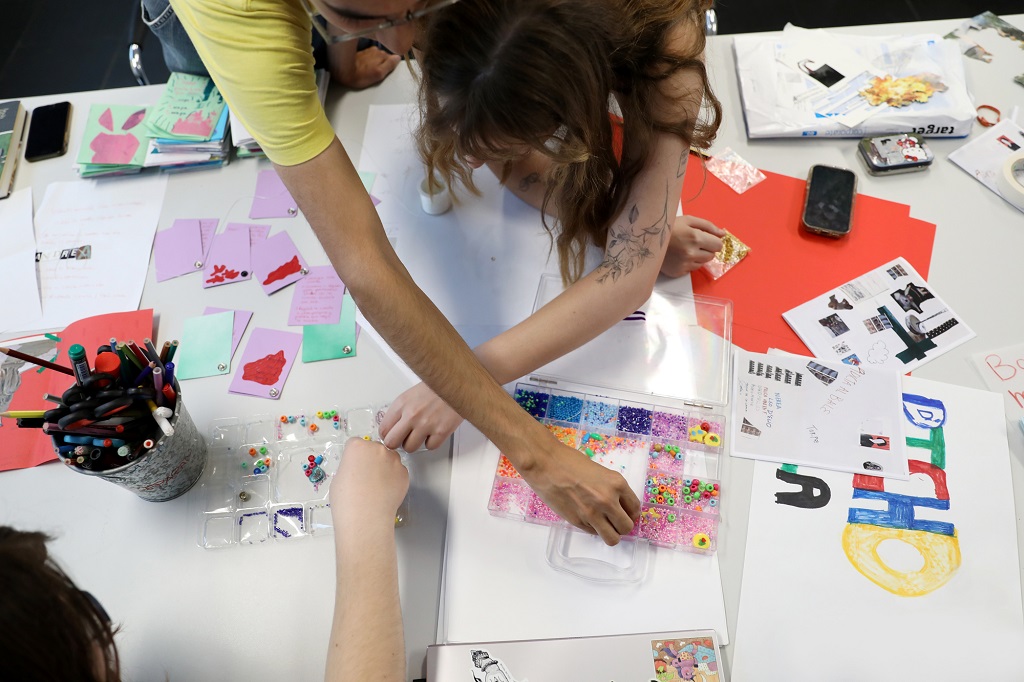
‘Nails and tacks’ is an activity for young people between ages 13 and 21 who want to discover new practices related to self-publishing and contemporary creation. On Fridays and weekends, we’ll run workshops and meet with artists, exploring our personal universes and searching for new ways of looking at everyday life through art. You can sign up for individual sessions or the whole series. All the sessions will be different.”

Quiosco Clandestino is a collective formed by Angie de la Lama and Leo D’Elio that emerged in 2020 at the height of the pandemic out of a reflection on the cultural circuits to which they both belonged. Its mission is to support artists and people interested in artistic creation while pursuing its own projects associated with self-publishing.

Angie de la Lama specialises in comics, illustration and low-budget film-making. She is also active in the field of cultural management, having created Skisomic Fest, the first fanzine festival in Seville, and film festivals like Euforia and Intima, held in Madrid. She combines her work as an artist and cultural manager with the development of educational projects for different institutions.

Leo D’Elio is an artist and cultural manager from Madrid. Using practices related to self-publishing, such as fanzines, comics and sound experimentation, his work revolves around the personal, everyday life and public space. He is a staunch defender of amateurism and doing things “badly”. He spent his formative years with the Museo CA2M “sub21” youth group and “Duchamp & Sons” of the Whitechapel Gallery in London before creating Quiosco Clandestino and Yina + Eol with Angie in 2020.
 

CALENDAR OF SESSIONS:

10 and 31 October

14 and 28 November 

12 December

Activity type
Dates
Alternate Fridays from October to December
Topics
Entrance

“Come on, let's get together to wait, or not, in our own way. Clavos y chinchetas is an activity aimed at young people aged 13 to 21, where they can discover new ways of working related to desktop publishing and contemporary creation”.

Subtitle
OPEN WORKSHOP FOR YOUNG PEOPLE BETWEEN AGES 13 AND 21
Categoría cabecera
Clavos 2025
NAILS AND TACKS
More information and contact
Media footer

Photo: Sue Ponce

Is it a cycle?
Disabled
Duration
17:30 to19:30

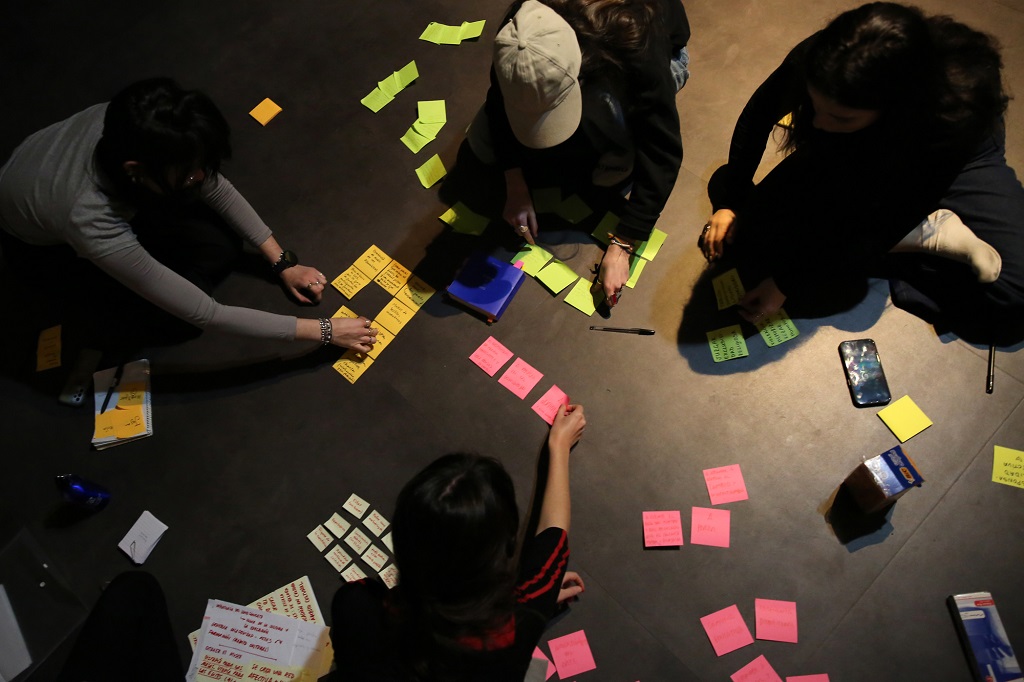
“We’re back. We’re going to continue what we left unfinished and this time transform ourselves. We come as lost Amazons. Echoing in the air are the mythological polyphonies that generate this system of unequal relationships, those voices, symbols and images that don’t represent us. The narrative has been so, so, so successful that we’re still pushing the Boulder.

We wanted to kill the mother but we failed, so now we're going to save her. We might not achieve that goal either, but this time we’ll aim better. Although in our attempts to adapt ancestral myths to the new identities of the twenty-first century we might miss Diana’s mark.

Here, there and everywhere, through the centuries, they've stolen our narrative, even though it was all chaos in the beginning. Our journey has brought us to IthaCA2M. We're going to shut Telemachus’s mouth, we’re going to appropriate mythos for ourselves. Potatoes protest by whistling in the cruelty of the kitchen. Because now we know we’re either mad or bad, really bad or super-bad, or good, really good without nuances, one-dimensional. 

At our next meetings we’ll explore and interrogate the role of myths in every sense and in every aspect. We’ll reflect on the narratives that have shaped the construction of female subjectivity to challenge them and rebel against them. Magicians and priestesses, fiends, old women who used magic potions and spells, frequented cemeteries and could even fly. Persecuted and punished: was the imposed narrative in danger?

For witches Circe and Medea. Men’s fantasies, for good or for bad. Powerful witches, negative models for women’s conduct who also represented the antithesis of the chaste woman. Penelope would weave and un-weave, create and un-create. And so do we. We fall so often into the stereotypes that we hate and envy Helen.

Our Trojan Horse for destroying this imaginary will be literature and art, sister allies, the tools we’ll use to unravel ourselves. We’ll make room for popular traditions, other forms, in truth to explain the same thing. We’ll open Pandora’s box, or just for change we’ll leave Pandora free of boxes. The Apple is very good for whitening your teeth. We’re the mixture, result, product of Celtic, Roman and barbarian lands. Dehumanised, de- and human, perfect and imperfect, although they’ve screwed us alive and even dead. But from the mud new narratives have emerged with different voices and different airs. And we’ll (re-) embrace them to discuss and listen to each other in the midst of sounds, words and silences.”

The Daughters of Jocasta

PS. Jocasta committed suicide whereas Oedipus only gouged out his eyes. How unfair it all is. We put up with so much.

Who are we? The Daughters of Jocasta.

We’re called the Daughters of Jocasta because we like the name, because we’re all daughters, and because Jocasta was the mother (and wife) of Oedipus, who gave her so much pain (and pleasure).

We found the excuse for the name in Christiane Oliver's book The Children of Jocasta and appropriated it. It’s ours.

Four daughters: Rebeca Contador, Sandra Cabrera, Ángela Solano and Ana Isabel Fernández Álvarez.

We're the resistance of the Museo CA2M reading groups. But we've become more than the origin, we have our own voice. United by a love of talking and talking, of always mulling everything over from every angle.


NEXT SESSIONS

30 October

13 and 27 November

18 December

Activity type
Dates
FROM OCTOBER TO JUNE
Target audience
Registration
-
Topics
Entrance

In the upcoming sessions of the Reading Group, we will explore and investigate the role of myths in all their meanings and in all their breadth. We will reflect on those stories that have been decisive in the construction of female subjectivity in order to question them and rebel against them.

Subtitle
READING GROUP
Categoría cabecera
Grupo de lectura
WE LOOK FOR OURSELVES IN THE FOOTPRINTS AND OUR STEPS AREN'T THERE...
More information and contact
Media footer

Image credit: The daughters of Jocasta

Is it a cycle?
Disabled
Duration
THURSDAY 5:00 PM TO 8:00 PM